
Archive showcase
2015 science image contest winners
A gallery celebrating scientific observation, imaging and visual explanation across multiple research fields.
Look closely at the structures, scales and natural events that scientists observe—from cellular processes and animal behavior to atmospheric systems, ice and nanoscale engineering.

These archive selections pair memorable scientific subjects with short, accessible explanations. Some entries document past image contests; others examine one striking observation in detail.
A gallery celebrating scientific observation, imaging and visual explanation across multiple research fields.

Review the archived introduction to the 2015 call for images and the scientific visual storytelling it encouraged.

Explore an earlier collection of images selected for scientific interest and visual clarity.

A clear view of storm structure helps reveal the organized cells at the center of severe weather.

Imaging offers a window into protein synthesis and the biological processes involved in muscle tissue.

Flowers can look different to bees because their visual systems detect wavelengths that human eyes cannot see.

Emperor penguins negotiate the boundary between ocean and solid ice in a demanding Antarctic habitat.

Cell imaging illustrates how a protein associated with tissue organization influences connections between neighboring cells.

Bathymetric mapping makes submerged ridges, trenches and continental margins visible at a planetary scale.

Moonlight interacting with fine water droplets can create a faint nighttime counterpart to a rainbow.
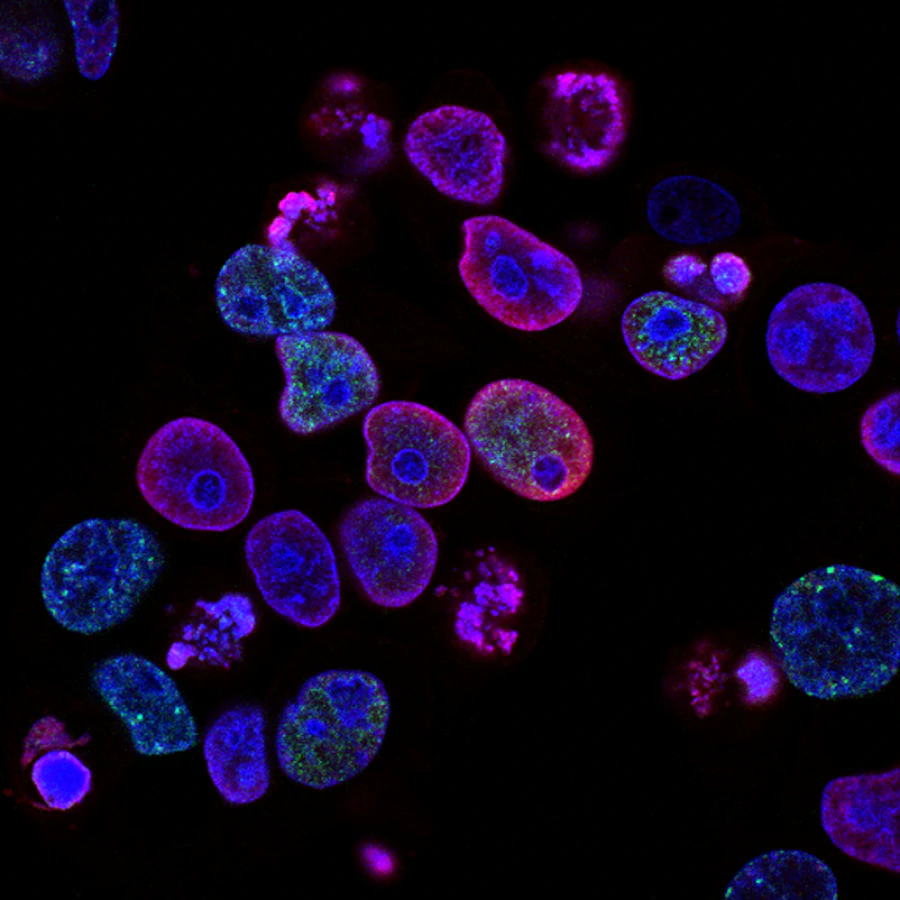
Light-sensitive responses in pigment-producing skin cells show that detecting light is not limited to the eyes.
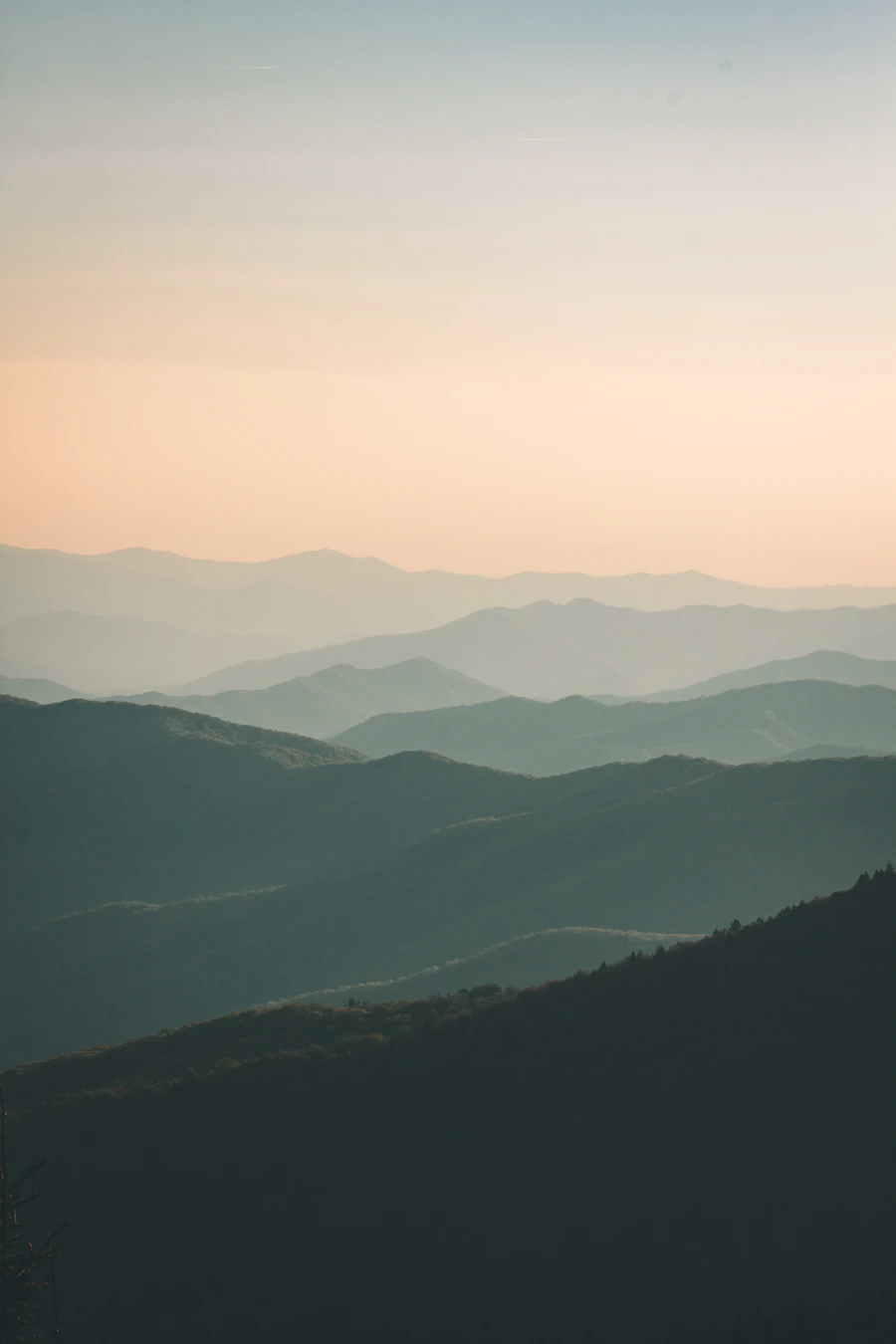
An overhead perspective reveals the glacier's flow, fractured surface and relationship with the surrounding terrain.

Unusual crystal forms demonstrate how temperature and moisture shape snow as it develops in the atmosphere.

A molecular-scale machine provides an approachable introduction to dimensions measured in billionths of a meter.
Mapping bird movement helps researchers examine migration routes, seasonal timing and changing habitats.
A compelling picture can make an unfamiliar scale or process easier to approach, but the image is only the beginning. Captions, methods and context explain what was recorded and what conclusions the evidence supports.
Ask whether the view is microscopic, human-sized, landscape-scale or planetary.
Photography, microscopy, satellite sensing and data mapping reveal different kinds of information.
Some colors are natural; others are added to distinguish structures or represent measurements.
One image can illustrate an observation without proving every proposed explanation.
The collection includes scientific photography, microscope imagery, satellite views, maps and visual explanations of natural phenomena.
No. Researchers sometimes assign colors to wavelengths, measurements or structures that would otherwise be difficult or impossible for human eyes to distinguish.
Scale determines what an image can show. A cellular view, weather image and satellite landscape each represent very different dimensions and evidence.
No. The contest pages in this collection are retained as historical archive material; their original submission periods have ended.
Use them for foundational context and historical perspective. Consult current specialist sources if a decision depends on recent measurements or research.
Email info@whyfiles.en-html.org or visit the contact page.