Reproductive health
Read the explainer
Male contraception: a research step forward
An archive look at efforts to develop effective, reversible contraceptive options for men and the evidence required before clinical use.
Read the explainer
Explore accessible background on sleep, microbes, infectious disease, pain, nutrition, brain health and developing medical research. These archive selections explain mechanisms and evidence without turning early findings into medical promises.
These articles offer general scientific context, not diagnosis or individual treatment advice. Because medical evidence changes, check current clinical guidance before making health decisions.

Dates show when each selection was reviewed for this edition. Follow an article link to read its archived scientific background and original reporting context.
An archive look at efforts to develop effective, reversible contraceptive options for men and the evidence required before clinical use.

Research explores whether carefully timed sound cues during sleep can strengthen the effects of earlier learning.

A guide to connections among resident microbes, immunity, infection, metabolism and respiratory health.

An archive survey of proposed advances spanning antibiotics, health, energy and access to freshwater.

Why encouraging safety or feasibility findings are not the same as proof that an experimental therapy works.

A historical outbreak explainer examining why pathogens do not always become less harmful as they evolve.

How the nervous system can sustain pain and why chronic conditions require careful, individualized clinical assessment.

How public-health teams assess disease risk and prepare surveillance measures for major gatherings.

Animal research explores how changes in visual input can alter the brain's processing of quiet sounds.
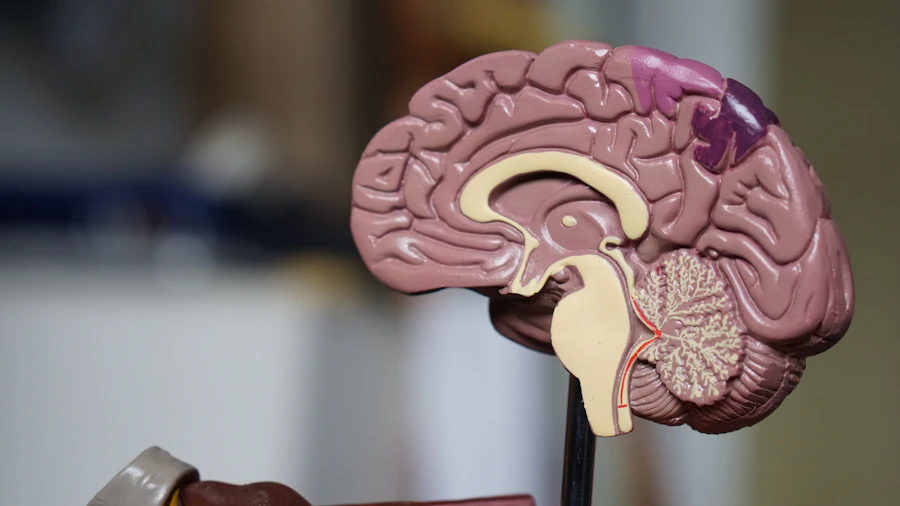
A long-term research question about brain injury, cognitive performance and signs associated with neurodegenerative disease.

Mouse research investigates how persistent sensory activity August influence blood-vessel development in young brains.

Historical context on a major outbreak and research into environmental conditions, sanitation and disease prevention.

A mouse study raises questions about added sugar while illustrating the limits of translating animal findings directly to people.

Research into replacing damaged heart muscle, with attention to experimental limits and unanswered safety questions.

An archive guide to oversight of a large food system and the practical questions raised by changing regulations.
Archive reporting can illuminate scientific mechanisms and the history of an idea, but it should not replace current evidence or care.
About this siteCheck whether evidence came from cells, animals, observational research or a controlled human trial.
A biological effect or early trial result does not establish that a treatment is safe and effective.
Use the article for context, then consult recent clinical or public-health guidance for decisions.
Individual symptoms, medicines and risks require advice based on personal medical circumstances.
No. Whyfiles provides general science context and cannot diagnose conditions, assess personal risks or recommend treatment.
Animal research can help scientists study mechanisms before human trials, but its findings do not automatically apply to people.
Look for the study phase, number and type of participants, comparison group, measured outcome, limitations and independent replication.
No. Historical outbreak stories explain epidemiology and response. Consult current public-health authorities for active alerts and guidance.
Evidence develops as larger studies, improved methods and longer follow-up become available. Clinical guidance is updated in response.
Continue to page two of the health archive.
Email info@whyfiles.en-html.org or use the contact page.