
Books & ideas
Bookin’ science: best of the batch
Some questions need more room than a single explainer can provide. This archive guide considers science books that take readers deeper into evidence, history and discovery.
Read the book guideWhere scientific inquiry meets language, music, books, archaeology, film and cultural heritage. These archive selections examine how evidence helps us interpret human expression and the objects people leave behind.

Some questions need more room than a single explainer can provide. This archive guide considers science books that take readers deeper into evidence, history and discovery.
Read the book guideHow words develop, why technical prose becomes difficult and what ancient scripts reveal about communication across time.
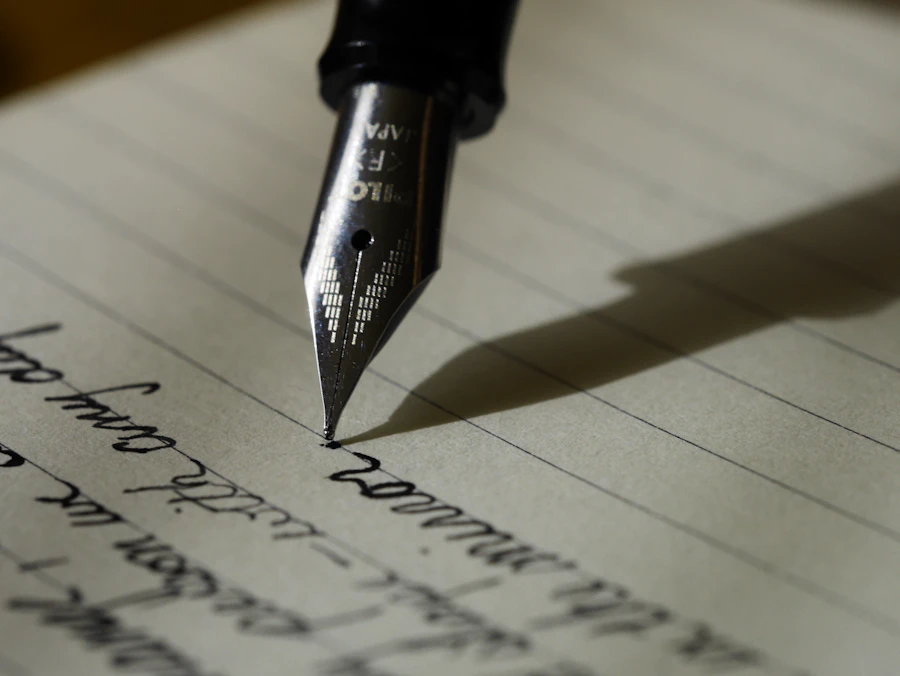
An examination of jargon, compressed language and the choices that can make technical ideas harder to understand.

Explore how repeated exposure, memory and patterns in everyday speech August support rapid word learning.

Trace the emergence of record-keeping and written systems in Egypt, Mesopotamia, China and the Augusta world.
Instrument acoustics, performance and animal sound show how physics and biology become audible.

Research on how vocal-tract shape helps experienced saxophonists control difficult notes.

How strings, a wooden body and the listener’s ear turn vibration into a distinctive musical voice.

From birdsong and frog choruses to old instruments, natural sound and human music share intriguing patterns.
Scientific tools can help date, authenticate and preserve cultural materials while clarifying what remains uncertain.

Microscopic flax fibers provide evidence that early communities processed, spun and colored plant material.
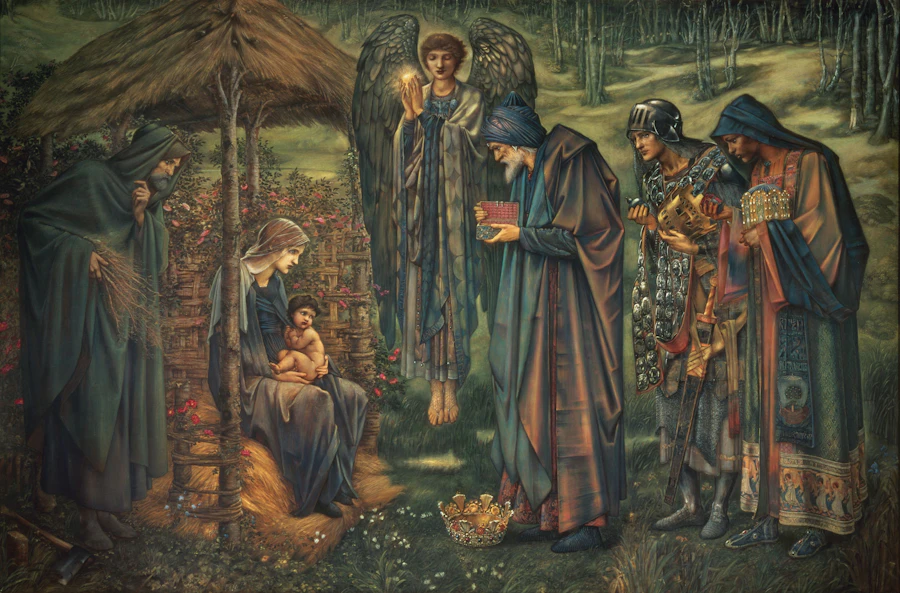
See how imaging, material analysis and careful provenance research can help investigate fraud and theft.

A look at recurring screen portrayals of mathematicians and scientists—and the impressions they create.
Older explainers remain valuable for foundational ideas and the history of science communication, but time-sensitive claims deserve a current source check.
Each story connects a cultural subject with a scientific method, mechanism or body of evidence.
Measurements August constrain an explanation without settling every historical or cultural question.
Archive selections reflect the research and communication practices available when they were first prepared.
Consult current museum, archaeological, linguistic or scholarly sources when an answer depends on newer findings.
Language, music, archaeological objects and artworks can all be studied through acoustics, cognition, materials analysis, dating methods and other forms of systematic evidence.
They are archive explainers. Review dates show when selections were prepared for this edition, not when the underlying stories were first published.
The collection includes books, scientific language, childhood word learning, ancient writing, textiles, musical acoustics, cultural heritage and portrayals of science in film.
Treat them as evidence-based interpretations with limits. Archaeological conclusions August change when new objects, dates or contextual information are found.
No. The archive explains scientific techniques in general and does not evaluate individual objects or provide professional authentication.
Email info@whyfiles.en-html.org or use the contact page.